Imagine this: you’re enjoying a delicious meal, laughing with friends, and suddenly – a strange sensation in your mouth. You reach up and discover your dental bridge, once securely holding its place, is now loose or dangling freely. Don’t panic! While a dislodged dental bridge can be unsettling, staying calm and taking the right steps can help you navigate this situation effectively. This blog post will be your guide to handling a dislodged dental bridge. We’ll cover everything you need to know, from immediate actions to aftercare tips, ensuring a smooth journey back to a complete smile.
Understanding Dental Bridges
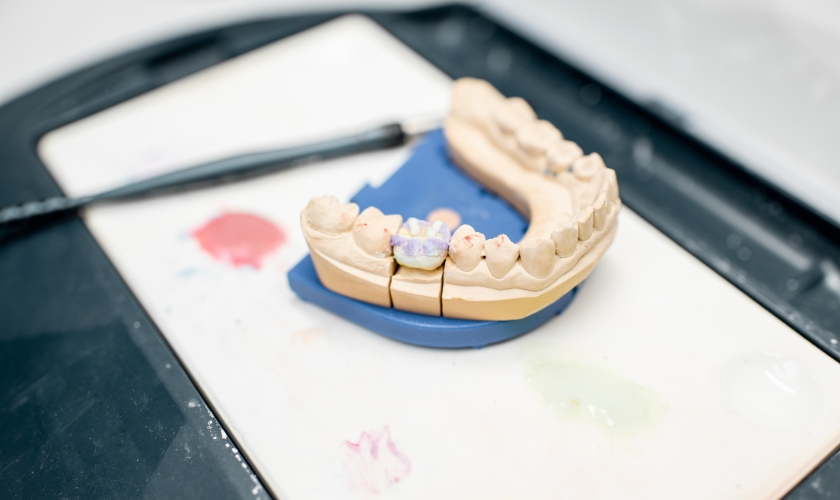
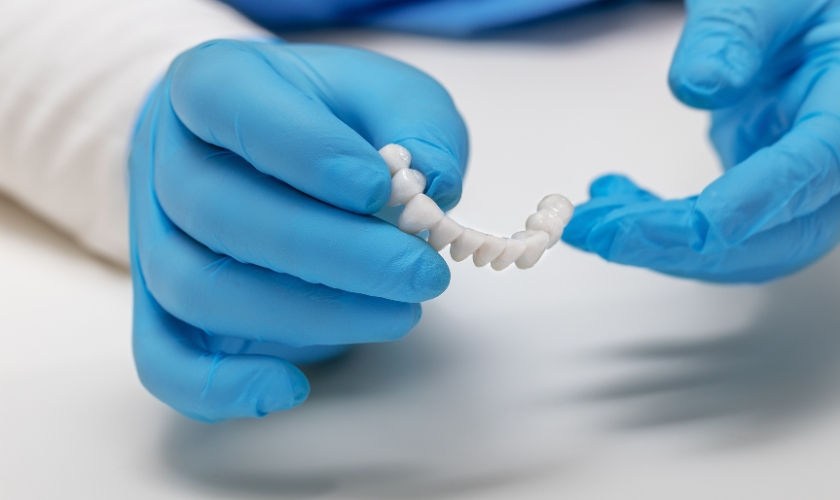
A dental bridge is a remarkable restoration option for replacing missing teeth. It literally bridges the gap by anchoring artificial teeth, called pontics, to your surrounding healthy teeth. These pontics are strategically placed and custom-made to blend in with your natural smile seamlessly.
Benefits of Dental Bridges
Dental bridges offer a multitude of benefits that go beyond aesthetics:
Enhanced Functionality: Missing teeth can significantly impact your ability to chew effectively. Bridges restore this function, allowing you to enjoy a wider variety of foods and promoting proper digestion.
Improved Speech: Gaps in your smile can sometimes lead to speech impediments. Bridges fill these gaps, ensuring clear and confident communication.
Boosted Confidence: A complete smile plays a significant role in self-esteem. Bridges addresses the cosmetic concern of missing teeth, allowing you to smile confidently and freely.
Prevents Shifting Teeth: Missing teeth can cause surrounding teeth to drift out of position, leading to bite problems and further tooth loss. Bridges prevent this movement, maintaining optimal dental alignment.
Factors that Compromise Longevity
While dental bridges are known for their durability, certain factors can compromise their longevity:
Daily Wear and Tear: Like any dental restoration, bridges are susceptible to wear and tear over time, especially with regular use.
Improper Brushing and Flossing: Maintaining good oral hygiene is crucial for the success of any dental treatment. Poor brushing and flossing can lead to plaque buildup around the bridge and teeth it supports, increasing the risk of decay and bridge loosening.
Chewing Hard Objects: Using your bridge to chew on hard candies, ice, or other tough objects can put undue stress on the structure. As a result, it potentially causes cracks or fractures.
Underlying Dental Issues: Pre-existing dental problems, such as gum disease or decay around the abutment teeth (teeth supporting the bridge), can weaken the bridge’s foundation and lead to its failure.
Immediate Actions When Your Bridge Falls Out
Losing a dental bridge can be surprising and unsettling. However, staying calm and taking the right steps quickly can help minimize any complications and ensure a smooth recovery. Here’s a detailed guide on what to do:
Stay Calm and Assess the Damage
Take a deep breath and focus on clear thinking. Panic can cloud your judgment and hinder effective action. Examine the bridge closely. Look for any cracks, chips, or fractures in the material. Are there any sharp edges that could cause discomfort or injure your mouth? Assess your mouth for any signs of irritation, bleeding, or swelling around the exposed area where the bridge was.
Retrieve and Secure the Bridge Carefully
Locate the bridge and pick it up gently. It’s best to handle it by the crowns, the tooth-shaped portions. Avoid touching the underside of the bridge where it attaches to your teeth. This is because it could damage delicate adhesives or clasps.
If there’s any dirt or debris on the bridge, rinse it carefully with lukewarm water. Use mild soap if needed, but avoid harsh chemicals or abrasive cleaners. Place the bridge in a clean container or resealable plastic bag for safekeeping until your dentist appointment.
Clean Your Mouth Thoroughly
Rinse your mouth with warm salt water. For this, dissolve half a teaspoon of table salt in a glass of warm water. Doing so will help remove any food particles or debris that might have gotten lodged in the exposed area and reduce the risk of infection. If possible, gently brush and floss around the exposed teeth where the bridge was attached, taking care not to dislodge any natural teeth.
What to Expect at The Dentist for a Loose Bridge
Here’s a detailed breakdown of what to expect during your dental visit for a loose bridge:
Examination and Discussion
Thorough Examination: Your Dallas dentist will meticulously examine your mouth, paying close attention to the loose bridge itself, the surrounding teeth (called abutment teeth), and your gums. They will assess the bridge’s fit, stability, and any signs of damage or wear.
Detailed Discussion: Your dentist in Dallas will discuss your dental history. This includes past procedures and any recent events that might have caused the bridge to loosen. This could include anything from chewing on hard objects to clenching or grinding your teeth.
Treatment Options
Based on the examination and diagnostics, your dentist will recommend the most suitable course of treatment. Here’s a breakdown of the possibilities:
Re-cementing the Bridge: This is the ideal scenario if the bridge itself is intact and the abutment teeth are healthy. Your Dallas dentist will thoroughly clean the bridge and teeth, then use a strong dental adhesive to re-cement the bridge securely in place.
Bridge Repair: If the bridge has minor damage, like a chipped pontic (the replacement tooth in the bridge), your dentist can repair it using dental materials.
New Bridge Creation: In cases where the bridge is severely damaged, cracked, or not salvageable due to extensive decay in the abutment teeth, a completely new bridge might be necessary. Your dentist in Dallas will discuss the design and fabrication process for a new bridge.
Preventing Future Dislodgement
Following the successful placement of your dental bridge, you can significantly reduce the chances of future problems by incorporating these essential practices into your daily routine:
Meticulous Brushing: Brush your teeth thoroughly twice a day using a soft-bristled toothbrush and fluoride toothpaste. Angling the brush at a 45-degree angle towards the gumline is particularly effective for cleaning beneath the bridge and along the supporting teeth.
Flossing: Flossing daily is crucial for removing plaque and food particles that accumulate between teeth and underneath the bridge. Regular flossing helps prevent gum disease, a significant contributor to bridge instability.
Dietary Savvy: Maintaining a healthy diet is vital for both your overall oral health and the well-being of your dental bridge. Limit sugary and acidic foods that can promote tooth decay and weaken the teeth supporting the bridge.
Chewing Cautiously: Be mindful of what you chew on with your bridge. Avoid excessively hard, chewy, or sticky foods that can put undue stress on the bridge and potentially cause damage or dislodgement.
A dislodged dental bridge can be disruptive, but staying calm and taking the right steps can help you manage the situation effectively. Remember, contacting your dentist in Dallas as soon as possible is crucial. By following these immediate actions and attending your dental appointment, you can minimize any complications and ensure the timely restoration of your smile. If you have any questions or concerns about your dental bridge, don’t hesitate to discuss them with your dentist.