


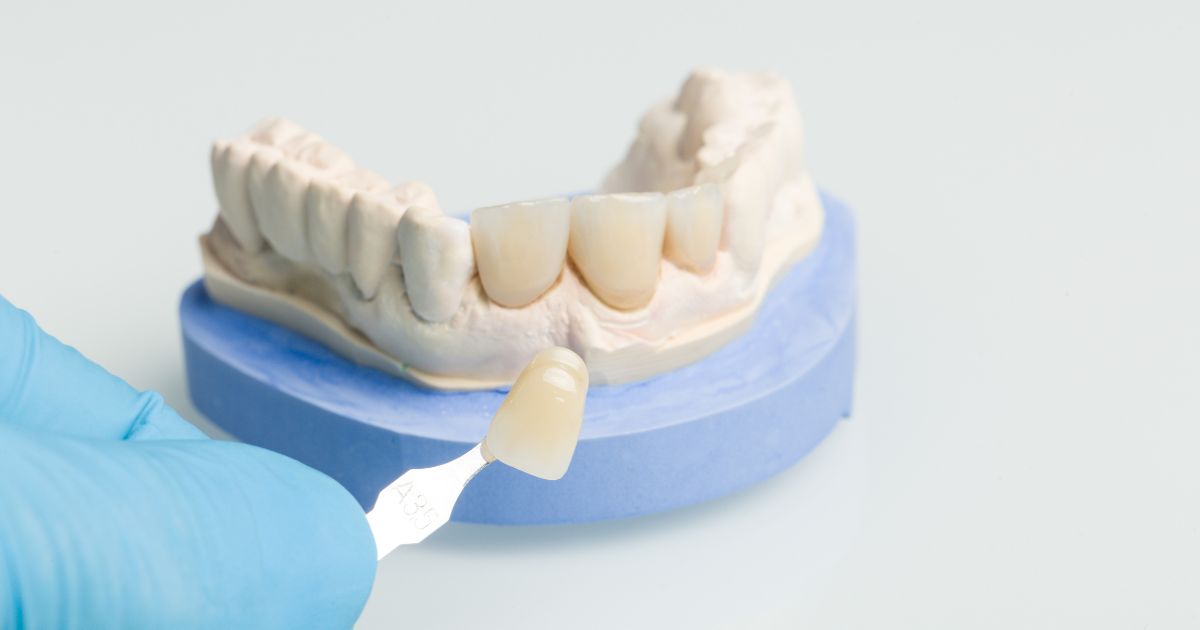
Dental crowns are common dental restorations that can save damaged teeth. Understanding the dental crown procedure is crucial for patients. It helps ease anxiety and promotes better oral health. Patients often need crowns for various reasons. Common issues include severe decay, cracks in teeth, and aesthetic improvements.
A crown protects a weakened tooth and restores its shape. Whether it is to fix a broken tooth or enhance your smile, knowing what to expect can help you feel prepared. This blog will walk through the dental crown procedure, ensuring you feel informed and ready for your appointment.
What is a Dental Crown?
A dental crown is a cap that covers a damaged tooth. It restores its shape, size, and strength. Crowns can be made from different materials, including porcelain, metal, resin, and ceramic.
Porcelain crowns mimic the natural appearance of teeth, making them popular for visible areas. Metal crowns, such as gold or silver, are strong and durable. They work well for back teeth where chewing pressure is high. Resin crowns offer a natural look but may wear down faster. Ceramic crowns combine aesthetics and strength, making them versatile.
Crowns play a vital role in dental health. They protect weak teeth, support dental bridges, and cover dental implants. A crown can also improve your smile’s appearance. By providing strength and protection, crowns help maintain your oral health. They prevent further damage and potential tooth loss.
Understanding the types of crowns and their functions can help you make informed decisions about your dental care.
When is a Dental Crown Necessary?
Dental crowns become necessary in various situations. One common reason is severe tooth decay. When a cavity is too large for a filling, a crown can restore the tooth’s structure.
Fractured or weakened teeth also require crowns. If a tooth is cracked or has extensive wear, a crown can provide support and protection.
Patients who undergo root canal therapy often need crowns. This procedure can weaken the tooth, and a crown helps restore its strength.
Crowns support dental bridges as well. If you have missing teeth, a bridge can fill the gap, and crowns secure it in place.
Additionally, some people choose crowns for cosmetic reasons. If you have discolored or misshapen teeth, crowns can enhance your smile.
The Dental Crown Procedure: Step-by-Step
Initial Consultation
Your dental journey begins with an initial consultation. During this visit, your dentist will evaluate your oral health, discuss your symptoms, and examine the affected tooth. Diagnostic tools, such as X-rays, help determine the extent of the damage.
The dentist may take impressions of your teeth to create a personalized treatment plan. They will explain the crown options available based on your specific needs. This conversation sets the stage for the next steps.
Preparation of the Tooth
Once you decide to proceed, the preparation phase begins. The dentist will numb the area using local anesthesia, ensuring you feel comfortable during the procedure.
Next, they shape the tooth for the crown. They remove any decay and trim the tooth down to create a solid foundation. After shaping, the dentist will take impressions of your tooth. These impressions will guide the creation of your custom crown.
Temporary Crown Placement
After preparing your tooth, the dentist places a temporary crown. This crown protects your tooth while the permanent one is being made. Temporary crowns are essential for comfort and function.
They allow you to eat and speak normally until your next appointment. Before you leave, the dentist will ensure that the temporary crown fits properly.
Creating the Permanent Crown
The time frame for making your permanent crown varies. It usually takes one to two weeks, depending on the dental lab’s workload. Your dentist will send the impressions to the lab, where adept technicians create your crown.
Once completed, the crown will be ready for fitting.
Fitting the Permanent Crown
During your fitting appointment, your dentist will check the crown for a proper fit. They will place the crown over your prepared tooth to ensure it aligns well with surrounding teeth.
If adjustments are needed, your dentist will make them for comfort and function. This step ensures that your bite feels natural.
Finalizing the Procedure
After confirming a proper fit, the dentist will cement the crown in place. They will use strong dental cement to secure it.
Finally, they will provide you with aftercare instructions. For optimal results, it is essential to follow these guidelines.
Post-Procedure Care
After getting a crown, you may experience some discomfort. This is normal and usually subsides within a few days. Over-the-counter pain relievers can help manage any discomfort.
It’s crucial to maintain good oral hygiene after getting a crown. Brush your teeth twice daily and floss daily to keep the area clean. Use a soft-bristled toothbrush to avoid irritating the crown.
While crowns are durable, avoid hard or sticky foods that could damage them. Chewing ice or hard candies can lead to chips or dislodgement.
If you notice any unusual pain or sensitivity, or if the crown feels loose, contact your dentist. Prompt attention can prevent further complications and ensure your crown lasts.
Understanding the dental crown procedure is vital for patients. Knowledge helps reduce anxiety and improves overall dental health. If you suspect you may need a crown, consult our dentists for personalized advice. We can provide guidance tailored to your unique situation.
Schedule an appointment today to discuss your dental needs and explore treatment options. Taking the first step toward your dental health can make a significant difference in your smile.