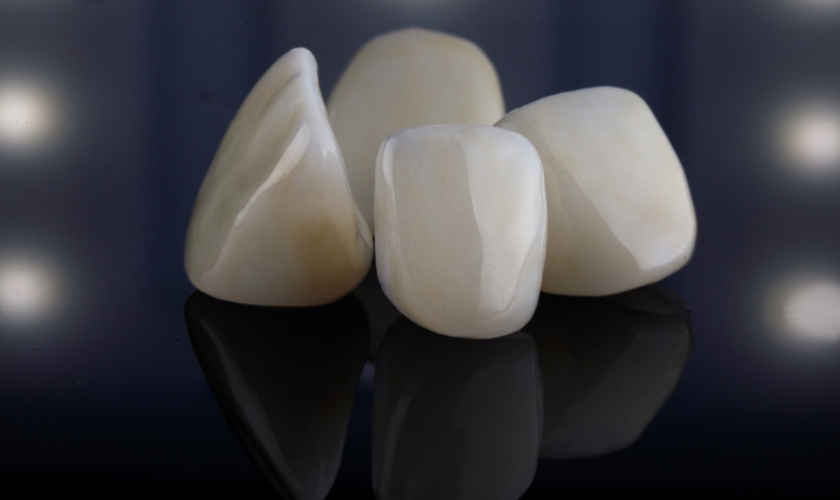
Dental veneers are a popular cosmetic dental treatment designed to improve the appearance of your teeth. They offer a solution for various issues, such as discoloration, chips, or misalignment. However, while veneers can produce stunning results, some patients may experience significant pain after the procedure. This comprehensive guide will help you understand why this might happen and what steps you should take if you find yourself in pain after getting dental veneers.
Understanding Dental Veneers
Before delving into the causes of pain and solutions, it’s important to understand what dental veneers are and how they work. Veneers are thin shells made of porcelain or composite resin that are bonded to the front surfaces of your teeth. They are designed to cover imperfections and provide a more aesthetically pleasing appearance. The process involves several steps:
- Consultation and Planning: Your dentist will discuss your goals and determine if veneers are the right option for you.
- Tooth Preparation: A small amount of enamel is removed from your teeth to make room for the veneers.
- Impression: An impression of your teeth is taken to create custom veneers.
- Temporary Veneers: Temporary veneers may be placed while your permanent ones are being crafted.
- Bonding: Once your permanent veneers are ready, they are bonded to your teeth with a strong adhesive.

Common Causes of Pain After Getting Dental Veneers
Experiencing pain after getting dental veneers can be distressing. Here are some common reasons why you might be feeling discomfort:
- Tooth Sensitivity: After the removal of enamel, your teeth may become more sensitive to hot, cold, or sweet stimuli. This sensitivity should subside over time.
- Improper Fit: If the veneers are not perfectly fitted, they can cause discomfort or pain, especially if they interfere with your bite.
- Gum Irritation: The process of placing veneers can sometimes irritate the gum tissue, leading to pain or discomfort.
- Bonding Issues: If the bonding material used to attach the veneers is not applied correctly, it may cause discomfort or sensitivity.
- Underlying Dental Issues: Sometimes, pain after getting veneers may be related to underlying dental problems, such as cavities or issues with the tooth’s nerve.
What to Do If You Experience Major Pain
If you’re experiencing significant pain after getting dental veneers, it’s important to address it promptly. Here are steps you can take to manage and alleviate the pain:
1. Contact Your Dentist
Your first step should always be to contact your dentist. They are best equipped to diagnose the cause of your pain and recommend appropriate treatment. Schedule an appointment as soon as possible to discuss your symptoms.
2. Follow Post-Operative Care Instructions
Ensure you are following any post-operative care instructions provided by your dentist. These may include:
- Avoiding Certain Foods: Steer clear of hard or sticky foods that could put additional pressure on your veneers.
- Maintaining Good Oral Hygiene: Brush and floss regularly to prevent infection and plaque buildup.
- Using Sensitivity Toothpaste: Your dentist may recommend a toothpaste designed to reduce tooth sensitivity.
3. Over-the-Counter Pain Relief
For temporary relief, you can use over-the-counter pain relievers such as ibuprofen or acetaminophen. Be sure to follow the dosage instructions on the label and consult your dentist before taking any medication, especially if you have other health conditions.
4. Apply a Cold Compress
Applying a cold compress to the outside of your mouth near the affected area can help reduce swelling and numb the pain. Do this for 15-20 minutes at a time, several times a day.
5. Avoid Extreme Temperatures
Avoid consuming very hot or cold foods and beverages, as they can exacerbate tooth sensitivity and pain.
6. Check for Misalignment
If the pain is due to improper fit or misalignment, your dentist may need to make adjustments to the veneers. This could involve reshaping the veneers or adjusting your bite.
7. Consider Dental Sensitivity Treatments
If tooth sensitivity persists, your dentist might recommend treatments such as fluoride applications or desensitizing agents to help reduce discomfort.
Preventing Pain After Dental Veneers
Preventive measures can help minimize the risk of experiencing pain after getting dental veneers. Consider the following tips:
- Choose a Qualified Dentist: Ensure that you are getting veneers from a skilled and experienced dentist. Proper placement is crucial for comfort and function.
- Discuss Your Concerns: Before the procedure, openly discuss any concerns or potential risks with your dentist. This can help you set realistic expectations and understand what to watch for after the procedure.
- Maintain Regular Check-Ups: Schedule regular dental check-ups to monitor the condition of your veneers and overall oral health.
- Avoid High-Risk Activities: Protect your veneers from damage by avoiding activities that may cause trauma to your teeth, such as biting on hard objects or grinding your teeth.
When to Seek Immediate Help
While some discomfort is normal, there are situations where you should seek immediate dental care:
- Severe or Persistent Pain: If the pain is severe or doesn’t improve with over-the-counter remedies, contact your dentist immediately.
- Signs of Infection: Look out for signs of infection, such as swelling, redness, or pus, which could indicate an issue that requires prompt treatment.
- Damage to Veneers: If a veneer becomes cracked, chipped, or dislodged, contact your dentist to prevent further complications.
Dental veneers can transform your smile, but experiencing major pain after the procedure can be unsettling. Understanding the common causes of pain and knowing the steps to take can help you manage discomfort and ensure your veneers are functioning as intended. Always consult with your dentist if you experience significant or persistent pain, as they can provide tailored advice and treatment to address your specific situation.
By following the guidelines in this comprehensive guide and maintaining open communication with your dental care provider, you can achieve the best possible outcome with your dental veneers and enjoy a beautiful, pain-free smile.