Dental implants are a remarkable advancement in modern dentistry, providing a durable and natural-looking solution for missing teeth. With proper care, dental implants can last a lifetime, offering both functionality and aesthetic appeal. However, maintaining the longevity of your dental implants requires more than just good oral hygiene; it involves a comprehensive approach to oral health and lifestyle. This blog post will guide you through essential tips and best practices to ensure the longevity of your dental implants.
Understanding Dental Implants
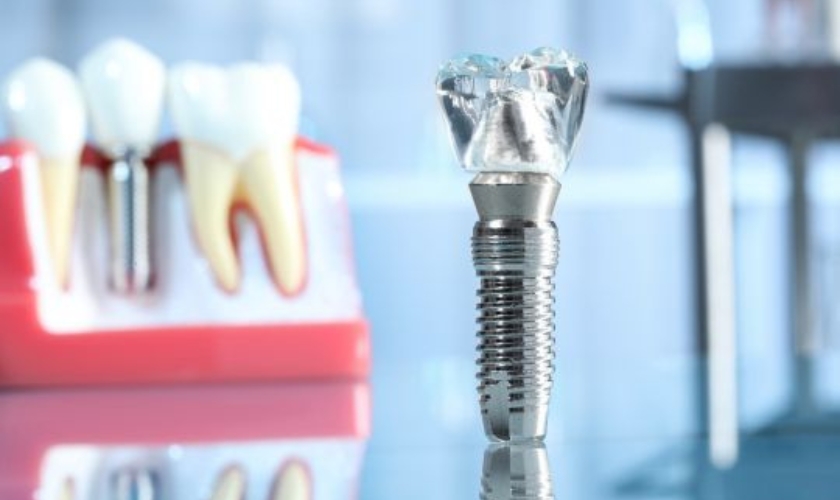
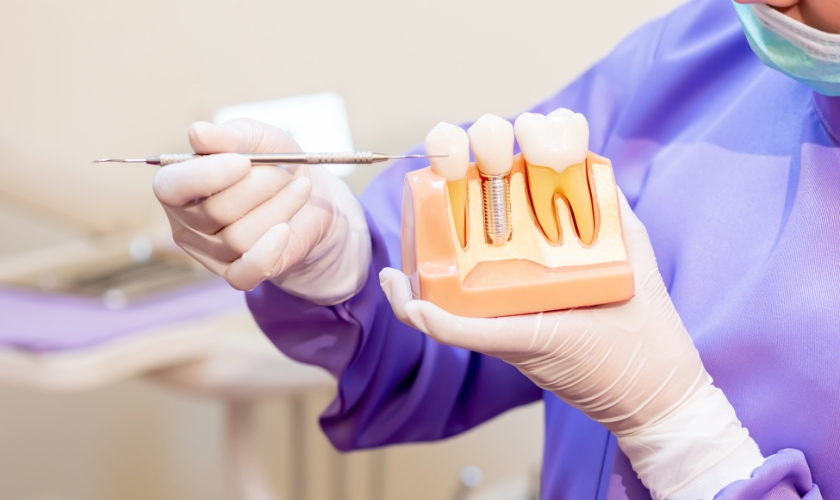
Before diving into the care tips, it’s essential to understand what dental implants are and how they function. Dental implants consist of three main components:
- Implant Fixture: A titanium post that is surgically placed into the jawbone. This post acts as a replacement root for the missing tooth.
- Abutment: A connector placed on top of the implant fixture, which holds the crown in place.
- Dental Crown: The visible part of the implant, designed to look and function like a natural tooth.
The success of dental implants relies on the integration of the implant fixture with the jawbone, a process known as osseointegration. This integration provides a stable foundation for the abutment and crown.

Why Proper Care is Crucial
Maintaining your dental implants is vital for several reasons:
- Preventing Infection: Poor oral hygiene can lead to peri-implantitis, an infection that affects the tissues around the implant, potentially leading to implant failure.
- Ensuring Longevity: Proper care helps prevent complications and ensures that the implant remains functional for years to come.
- Protecting Adjacent Teeth: Good oral hygiene not only protects the implants but also the surrounding natural teeth and gums.
Essential Tips for Caring for Your Dental Implants
1. Practice Excellent Oral Hygiene
Maintaining good oral hygiene is crucial for the health of your dental implants. Here’s how to keep your mouth clean:
- Brush Regularly: Brush your teeth, including the implant area, at least twice a day using a soft-bristled toothbrush. Be gentle around the implant site to avoid damaging the gum tissue.
- Use Non-Abrasive Toothpaste: Choose a fluoride toothpaste that is non-abrasive to prevent scratching the surface of the implant and abutment.
- Floss Daily: Use dental floss or interdental brushes to clean between your teeth and around the implant. Flossing helps remove plaque and food particles that can accumulate and cause inflammation.
2. Use Antibacterial Mouthwash
An antibacterial mouthwash can help reduce plaque and bacteria around the implant site. Rinse with a mouthwash recommended by your dentist to maintain optimal oral health and reduce the risk of infection.
3. Avoid Hard or Sticky Foods
While dental implants are designed to withstand normal chewing forces, it’s wise to avoid hard or sticky foods that can stress the implant and surrounding structures. Foods like nuts, ice, and caramel can cause damage to the implant or crown.
4. Regular Dental Check-Ups
Regular dental check-ups are essential for monitoring the health of your dental implants. Schedule visits with your dentist every six to twelve months, or as recommended, to ensure that the implant is functioning correctly and to catch any potential issues early.
5. Quit Smoking
Smoking is detrimental to oral health and can negatively impact the success of dental implants. It can hinder the healing process, increase the risk of infection, and lead to implant failure. Quitting smoking improves your overall health and enhances the longevity of your implants.
6. Monitor Your Oral Health
Pay attention to any changes in your oral health, such as swelling, bleeding, or discomfort around the implant site. These could be signs of complications like infection or implant failure. Report any issues to your dentist promptly.
7. Wear a Mouthguard if Necessary
If you participate in contact sports or grind your teeth at night, consider wearing a mouthguard. A custom-fit mouthguard can protect your implants and natural teeth from damage caused by trauma or grinding.
8. Manage Chronic Conditions
Certain chronic conditions, such as diabetes, can affect the health of your dental implants. If you have a chronic condition, work with your healthcare provider to manage it effectively. Proper management of underlying health issues can contribute to the success and longevity of your implants.
Long-Term Maintenance for Dental Implants
Long-term maintenance involves ongoing practices to keep your dental implants in top condition:
Annual X-Rays
Regular X-rays can help your dentist monitor the condition of the implant and surrounding bone structure. These images provide valuable insights into the success of the implant and help identify any potential issues early.
Professional Cleanings
Professional cleanings by a dental hygienist remove plaque and tartar that you might not be able to eliminate with home care. These cleanings are vital for preventing complications and maintaining the health of your implants.
Patient Education
Stay informed about the best practices for dental implant care. Your dentist or hygienist can provide tips and updates on new products or techniques to enhance your oral hygiene routine.
Lifestyle Tips to Support Dental Implant Health
In addition to direct care, your lifestyle choices can impact the longevity of your dental implants:
- Maintain a Balanced Diet: A diet rich in vitamins and minerals supports oral health and overall well-being. Include foods high in calcium and vitamin D to support bone health.
- Stay Hydrated: Drinking plenty of water helps maintain oral health by rinsing away food particles and bacteria.
- Avoid Excessive Alcohol Consumption: Excessive alcohol can negatively affect your oral health and contribute to issues like dry mouth, which can increase the risk of oral infections.
Caring for your dental implants is a vital aspect of ensuring their longevity and maintaining your overall oral health. By practicing excellent oral hygiene, making smart dietary choices, and adhering to regular dental check-ups, you can maximize the lifespan of your implants and enjoy a healthy, confident smile.