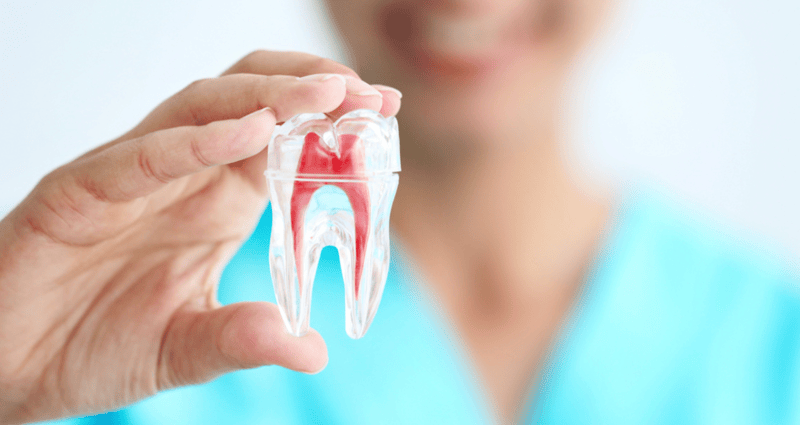
A root canal treatment is a common dental procedure aimed at saving a tooth that is severely infected or decayed. It involves removing the infected pulp, cleaning the inside of the tooth, and sealing it to prevent further infection. After undergoing a root canal, proper care is crucial to ensure the success of the treatment and maintain your oral health. In this comprehensive guide, we will explore everything you need to know about caring for your teeth after a root canal.
Understanding Root Canal Treatment
Before diving into post-treatment care, let’s understand why root canals are necessary. When a tooth’s pulp (the soft tissue inside the tooth) becomes infected or inflamed due to deep decay, cracks, or trauma, it can lead to severe pain and potentially cause an abscess if left untreated. A root canal procedure is performed to alleviate pain, remove the infected pulp, clean and shape the root canal, and then seal the space to prevent reinfection.

Immediate Post-Procedure Care
Immediately after your root canal treatment, it’s essential to take certain steps to aid in recovery and ensure the success of the procedure:
- Follow Your Dentist’s Instructions: Your dentist will provide specific post-procedure instructions tailored to your case. This may include advice on managing discomfort, taking prescribed medications such as antibiotics or pain relievers, and scheduling follow-up appointments.
- Manage Discomfort: It’s normal to experience some discomfort or sensitivity after a root canal. Over-the-counter pain relievers like ibuprofen or acetaminophen can help alleviate this discomfort. Follow the dosage instructions provided by your dentist.
- Avoid Chewing on the Treated Tooth: Until the final restoration (such as a crown) is placed, avoid chewing on the side of your mouth where the root canal was performed. This helps prevent damage to the temporary filling and ensures that the tooth heals properly.
- Practice Good Oral Hygiene: Continue to brush your teeth gently twice a day with a soft-bristled toothbrush and fluoride toothpaste. Be mindful around the treated area, and floss carefully to avoid dislodging any temporary filling material.
- Eat Soft Foods: Stick to a soft diet initially to avoid putting excessive pressure on the treated tooth. This includes foods like yogurt, soup, mashed potatoes, and smoothies. Avoid hard, crunchy, or sticky foods that could potentially damage the temporary filling.
- Attend Follow-Up Appointments: Your dentist will schedule follow-up visits to monitor healing and determine when to place the final restoration on the tooth. These appointments are crucial for ensuring the long-term success of the root canal treatment.
Long-Term Care Tips
Once your tooth has fully healed and the final restoration is in place, continue to take good care of your oral health to maintain the results of the root canal treatment:
- Maintain Regular Oral Hygiene: Brush your teeth at least twice a day and floss daily to remove plaque and prevent cavities. Use a fluoride toothpaste and consider incorporating a fluoride mouthwash into your oral care routine for added protection.
- Be Mindful of Your Diet: Avoid excessive consumption of sugary foods and beverages, as they can contribute to tooth decay. Opt for a balanced diet rich in fruits, vegetables, lean proteins, and whole grains to support overall dental health.
- Protect Your Teeth: If you grind your teeth at night (bruxism), ask your dentist about wearing a night guard to protect your teeth from wear and tear. Additionally, wear a mouthguard if you participate in contact sports to prevent dental injuries.
- Visit Your Dentist Regularly: Attend scheduled dental check-ups and cleanings as recommended by your dentist. These visits allow your dentist to assess the health of your teeth and detect any potential issues early on.
Signs of Concern
While some discomfort and sensitivity are normal after a root canal, certain symptoms may indicate a problem that requires attention from your dentist:
- Severe or persistent pain that is not relieved by pain medications.
- Swelling or inflammation in the gums or face.
- Prolonged sensitivity to hot or cold temperatures.
- Discharge or pus around the treated tooth.
If you experience any of these symptoms, contact your dentist promptly for evaluation and treatment.
Caring for your teeth after a root canal is essential for ensuring the success of the treatment and maintaining your oral health in the long term. By following the advice provided in this guide and staying in regular communication with your dentist, you can promote healing, prevent complications, and enjoy a healthy smile for years to come.
Remember, every individual’s dental needs are unique. If you have any questions or concerns about your root canal treatment or post-treatment care, don’t hesitate to reach out to your dentist for personalized guidance.