A healthy smile is a vital part of self-confidence and overall well-being. But missing teeth can significantly impact your ability to chew, speak clearly, and even affect your facial structure. Thankfully, dentures offer a reliable and effective solution for restoring your complete smile. However, navigating the world of dentures can be confusing, especially when faced with the choice between full and partial dentures. This blog post aims to be your one-stop guide, diving deep into the differences between these two options. We’ll explore the types of dentures, their benefits, and their drawbacks. Also, we’ll help you determine which solution best suits your needs.
The Denture Dilemma: Full vs. Partial
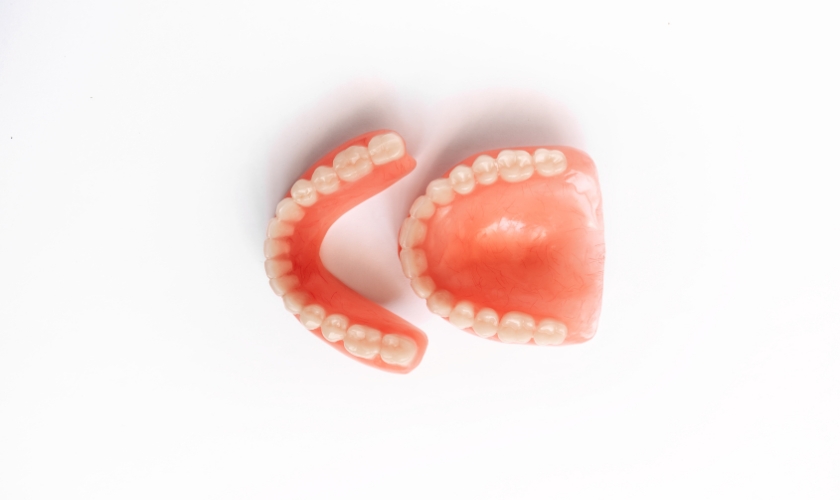
Dentures are removable dental prosthetics designed to replace missing teeth and surrounding tissues. They are typically made from acrylic resin with a metal framework for support. However, the key distinction lies in the extent of tooth replacement they offer.
Full Dentures
As the name suggests, full dentures replace all the teeth in either your upper or lower jaw or sometimes even both. They come in two main types:
Conventional Full Dentures: These dentures rely on suction and properly fitting the contours of your gums for stability. However, getting used to them can take some time as they may require denture adhesives for additional support, especially in the lower jaw.
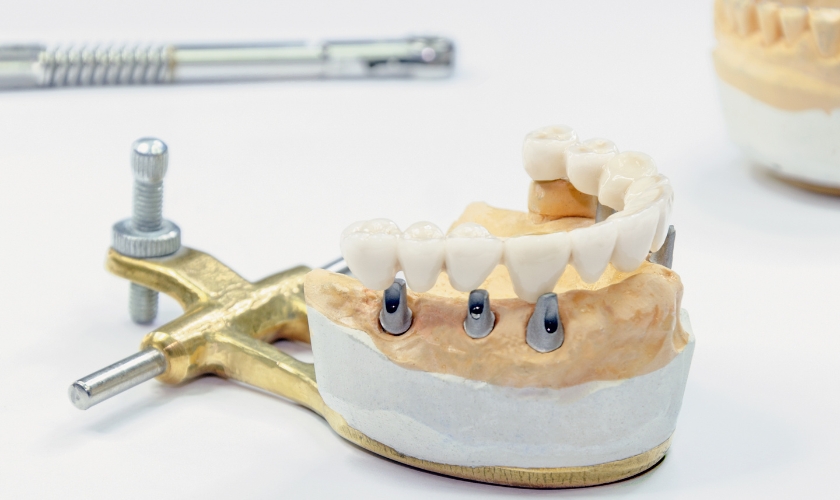
Implant-Supported Dentures: These dentures offer a more secure fit by attaching to dental implants surgically placed in your jawbone. This provides superior stability and improved chewing ability.
Partial Dentures
Partial dentures are ideal for individuals who still have some healthy, natural teeth remaining. These custom-made prosthetics fill in the gaps created by missing teeth. It typically uses metal clasps that anchor onto the existing teeth. These dentures not only restore your smile but also prevent your remaining teeth from shifting out of place.
Full & Partial Dentures
Now, let’s dive deeper into the specific benefits offered by each type of denture, helping you make an informed decision for your situation:
– Full dentures replace all your missing teeth, creating a complete and natural-looking smile. Partial dentures fill in the gaps left by missing teeth while keeping your remaining healthy teeth intact.
– Partial dentures are found to be more comfortable to wear compared to full dentures, especially during the initial adjustment period.
– Partial dentures generally require a lower initial investment compared to full dentures, especially when compared to implant-supported full dentures. This can be a significant factor for those on a budget.
– Due to their smaller size and clasp design, partial dentures are often easier to remove and clean than full dentures.
– Full dentures improve your speech in comparison to partial dentures. They fill the gaps and restore proper tongue positioning, allowing you to speak with ease and confidence.
– Similar to full dentures, partials can be designed to blend seamlessly with your existing teeth for a discreet restoration.
– Partial dentures are lightweight and relatively easy to adjust to. They can be removed for cleaning and soaking.
The Perfect Fit: Choosing Between Full and Partial Dentures
Deciding between full and partial dentures is a crucial step in restoring your smile and chewing function. Several factors come into play when your Dallas dentist recommends the most suitable option for you. Here’s a breakdown of the key considerations:
Extent of Tooth Loss
Full Dentures: A complete set of dentures is recommended when all your natural teeth are missing in either the upper or lower jaw or both.
Partial Dentures: These are ideal when you still have some healthy remaining teeth that can be utilized for support. The partial denture fills in the gaps left by missing teeth, working alongside your natural ones.
Bone Health and Jaw Strength
Full Dentures: Adequate jawbone volume and strength are essential for a good fit with full dentures. Sometimes, bone grafting procedures might be needed to create a suitable foundation.
Partial Dentures: Generally less demanding on jawbone health compared to full dentures. However, healthy bone is still important for anchoring the clasps or attachments that hold the partial denture in place.
Desired Functionality and Aesthetics
Full Dentures: Modern dentures can provide good chewing function, but it might take some time to adjust to speaking and eating comfortably.
Partial Dentures: Can restore close to normal chewing ability, especially when supported by healthy natural teeth. Partial dentures can significantly enhance your smile by filling gaps and improving facial structure.
Missing teeth can impact your ability to chew, speak, and smile with confidence. Fortunately, dentures offer a reliable solution to restore your oral function and appearance. However, with two main denture types available – full and partial – deciding which one is right for you can be a question. Ultimately, the best denture option depends on the extent of your tooth loss and your dentist’s professional evaluation. Consulting with your dentist in Dallas is key to understanding your candidacy for each type and exploring the most suitable option for your unique needs and goals.